
1. הקדמה
This manual provides essential information for the safe and effective use of the Bisida 16S 51.2V 80A LiFePO4 Battery Management System (BMS). This BMS is designed to protect 16-series LiFePO4 battery packs, ensuring their longevity and safe operation through various protection functions and cell balancing. Please read this manual thoroughly before installation and operation.
2. פּראָדוקט פֿעיִקייטן
- פולשטענדיק שוץ: The BMS offers multiple protection functions including overcharge, over-discharge, overcurrent, short-circuit, and temperature protection. It also includes downtime protection and passive voltagE וואָג.
- ברייט אַפּערייטינג טעמפּעראַטור קייט: Supports LiFePO4 battery charging and discharging in zones from 2.3V to 3.65V per cell, with low temperature protection up to -20°C and high temperature protection up to 70°C.
- Voltage Balance Function: Actively balances individual cell voltages to prolong battery pack life and maintain optimal performance.
- NTC טעמפּעראַטור קאָנטראָל: Features a new generation NTC temperature control probe for accurate temperature monitoring and protection.
- Automotive Grade Chip: Utilizes high-quality integrated circuit (IC) and MOSFET components for robust, reliable, and efficient operation with lower temperature and power consumption.

פיגורע 2.1: איבערview of the ten integrated protection features including overcurrent, short circuit, overcharge, over-discharge, temperature, moisture, dust, electrostatic, drop, and balanced protection.

Figure 2.2: Detail of the NTC temperature control probe, crucial for accurate temperature monitoring and protection.
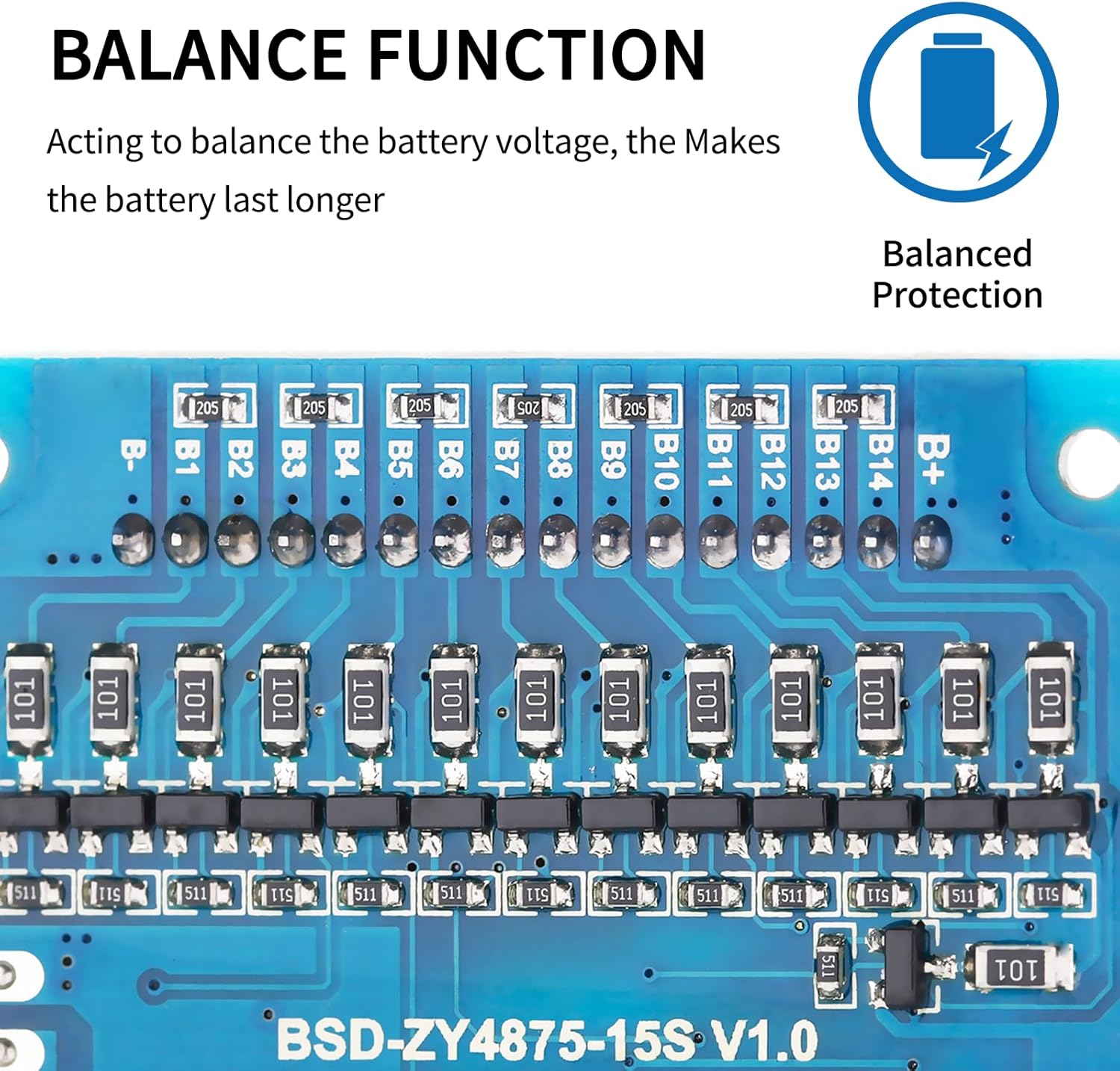
Figure 2.3: The balance function circuitry on the BMS board, designed to equalize cell voltages for extended battery life.

Figure 2.4: The automotive-grade chip, highlighting its compact size and integrated design for efficient performance.
3. ספּעסאַפאַקיישאַנז
| שטריך | דעטאַל |
|---|---|
| מאָדעל נומער | 16S 51.2V 80A |
| Voltage | 51.2 וואלטס |
| רעקאַמענדיד נוצן | Scooter (and other LiFePO4 battery applications) |
| שוץ פאַנגקשאַנז | Overcharge, Over-discharge, Overcurrent, Short-circuit, Temperature, Downtime, Voltage באַלאַנס |
| אַפּערייטינג טעמפּעראַטור ראַנגע | -20°C צו 70°C |
| דימענשאַנז | 7.01 X 3.78 X 2.24 אינטשעס |
| פּונקט וואָג | 10.5 אונסעס |
| ריוזאַביליטי | קריקאָנלאָדלעך |

Figure 3.1: Detailed LiFePO4 data parameters, including charging, discharge, short circuit, temperature, and balanced protection thresholds.
4. סעטאַפּ און ייַנמאָנטירונג
4.1 Pre-installation Notice
Before installing the BMS protective board, it is crucial to ensure that the battery cells within your pack are matched in voltage, capacity, and internal resistance.
- דער וואָלtage difference between individual battery cells should not exceed 0.05V.
- The internal resistance difference between cells should not exceed 5mΩ.
- The capacity difference between cells should be less than 30mAh.
Failure to meet these matching requirements may prevent the battery pack from charging correctly or lead to premature failure.
4.2 Wiring Method (Common Port)
Follow these steps for wiring the BMS with a common port configuration:
- פאַרבינדן די B- terminal of the BMS to the total negative terminal of the battery pack.
- פאַרבינדן די C- terminal of the BMS to both the charging negative and the output negative terminals.
- All positive electrodes from the battery pack should be connected to the total positive pole (B+).
- Connect the balance wires sequentially, starting with the black wire to the first negative cell, and then B1, B2, B3, etc., in ascending order of voltage, up to B+.
Refer to the wiring diagram below for a visual guide. This diagram illustrates a serial connection example, which can be adapted for other serial protection board wiring methods.
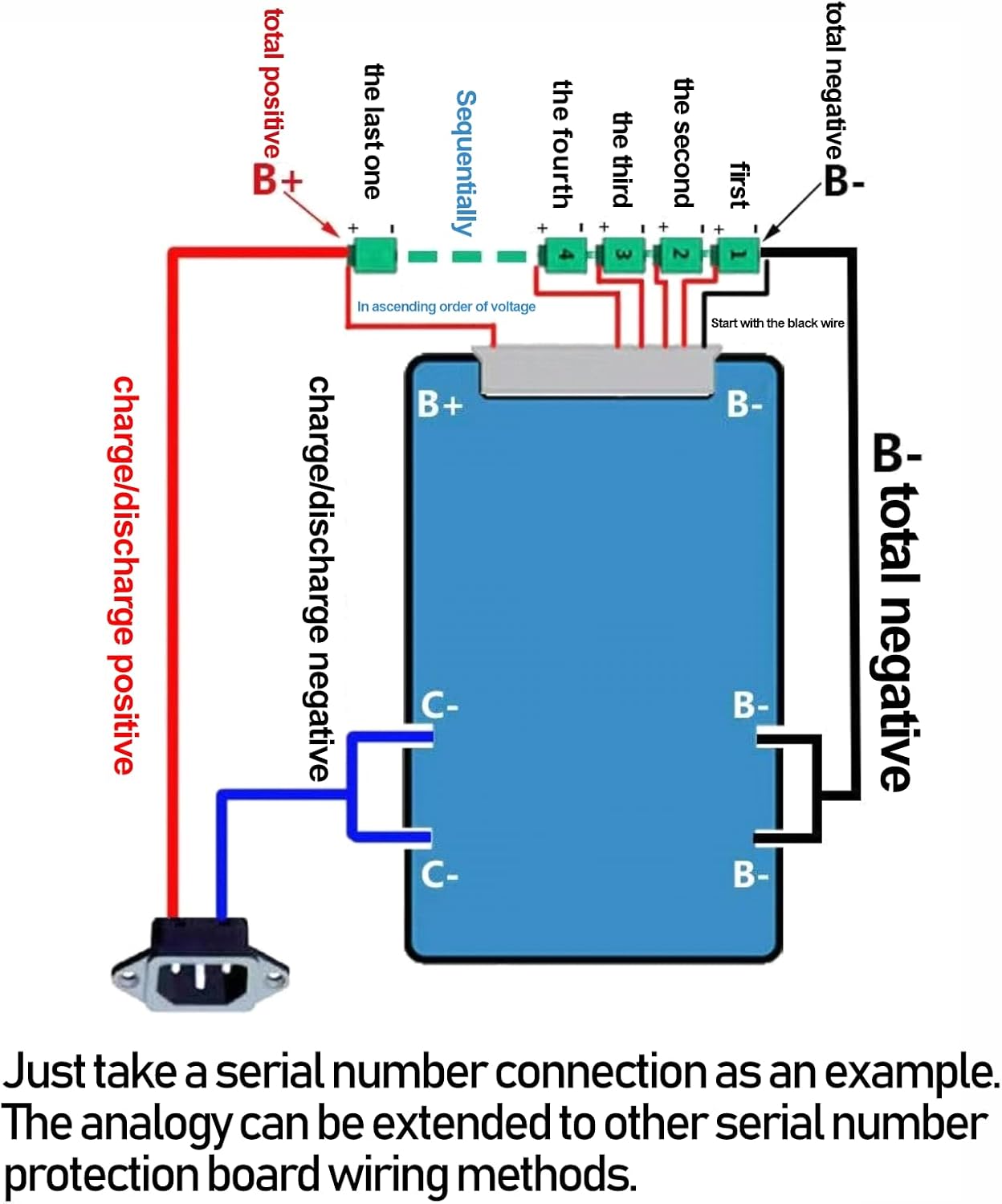
Figure 4.1: Wiring diagram showing connections for B-, C-, B+, and sequential balance wires for a serial battery pack.
5. אַפּערייטינג ינסטרוקטיאָנס
The Bisida 16S 51.2V 80A BMS is designed for automatic operation once correctly installed. It continuously monitors the battery pack's voltage, current, and temperature to ensure safe and efficient performance.
- טשאַרדזשינג: The BMS will manage the charging process, preventing overcharge by disconnecting the charging current if cell voltages exceed the set threshold (e.g., 3.65V per cell).
- אָפּזאָגן: During discharge, the BMS protects against over-discharge by cutting off the load if cell voltages drop below the minimum safe level (e.g., 2.3V per cell).
- Current Management: Overcurrent protection will activate if the discharge or charge current exceeds the specified limit (80A for this model), preventing damage to the battery and BMS.
- טעמפּעראַטור קאָנטראָל: The NTC probe monitors battery temperature. If the temperature falls below -20°C or rises above 70°C, the BMS will initiate protection measures to prevent thermal damage.
- צעל באַלאַנסינג: The passive balance function works to equalize the voltage across all 16 cells, especially during charging, to maximize the battery pack's usable capacity and lifespan.
Always ensure the battery pack operates within the specified voltage and current parameters for optimal performance and safety.
6. וישאַלט
The Bisida BMS is designed for minimal maintenance. However, regular checks can help ensure its long-term reliability:
- וויסואַל דורכקוק: Periodically inspect the BMS and its connections for any signs of physical damage, loose wires, or corrosion.
- ריינקייַט: Keep the BMS free from dust and moisture. While the product description mentions "dust protection" and "moisture protection" as features, maintaining a clean environment is always recommended.
- טעמפּעראַטור: Ensure the operating environment temperature remains within the specified range (-20°C to 70°C) to prevent the BMS from triggering temperature protection.
- באַטערי געזונט: Monitor the overall health of your battery pack. A well-maintained battery pack reduces the stress on the BMS.
Do not attempt to repair the BMS yourself. Contact customer support if you suspect a malfunction.
7. טראָובלעשאָאָטינג
If you encounter issues with your battery pack or BMS, consider the following troubleshooting steps:
- באַטאַרייע פּאַק ניט טשאַרדזשינג:
- Verify that the battery cells are properly matched in voltage, capacity, and internal resistance as per the "Pre-installation Notice" (Section 4.1).
- Check all wiring connections, especially B- and C-, to ensure they are secure and correctly connected.
- Confirm the charger is functioning correctly and provides the appropriate voltage and current for a 16S LiFePO4 pack.
- The BMS may have triggered overcharge or low-temperature protection. Allow the battery to cool down or warm up to within the operating range.
- Battery Pack Not Discharging (No Output Power):
- Check the C- connection to the load.
- The BMS may have triggered over-discharge, overcurrent, short-circuit, or high-temperature protection.
- If over-discharge protection is active, the battery pack needs to be recharged.
- If overcurrent or short-circuit protection is active, disconnect the load, inspect for faults, and then reconnect.
- Allow the battery to cool down if high-temperature protection is active.
- Unusual Heat or Smell:
- Immediately disconnect the battery pack from all loads and chargers.
- This could indicate a serious fault. Do not attempt to operate the battery or BMS. Contact customer support.
For persistent issues or concerns, please contact Bisida customer support.
8. וואָראַנטי און שטיצן
For warranty information, technical support, or any questions regarding your Bisida 16S 51.2V 80A LiFePO4 BMS, please refer to the product packaging or contact Bisida customer service directly.
פאַבריקאַנט: Bisida
Webפּלאַץ: Visit Bisida Store on Amazon (פֿאַר אַלגעמיינע אינפֿאָרמאַציע וועגן דער מאַרקע)
Please have your product model number (16S 51.2V 80A) and purchase details ready when contacting support.